
Gel Blaster Magazine & Feeding Guide: Fixes and Setup
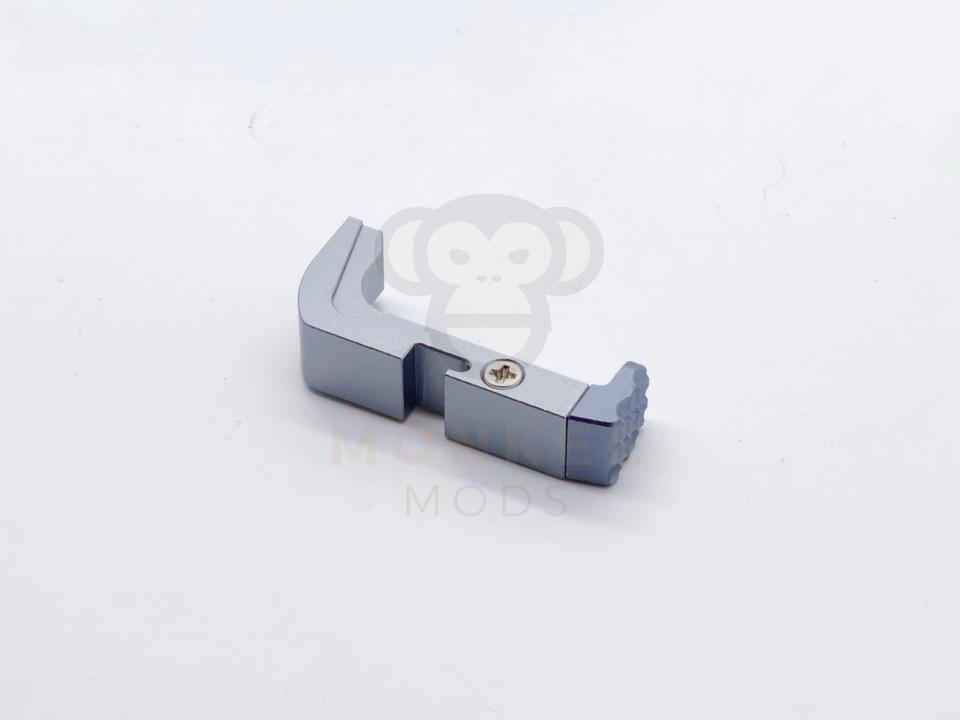
A reliable gel blaster magazine does more than hold ammo: it presents consistently sized gels to the feed path at the right time. When a blaster cycles but no gels leave the barrel, the cause is usually a simple loading, magazine, or gel-preparation issue—not an excuse to force the trigger or take apart parts you are not ready to service. This guide helps Malaysian players set up magazines, use a gel blaster quick loader carefully, and work through common gel blaster not-feeding symptoms safely.
Start Safe and Identify the Symptom
Before checking anything, point the blaster in a safe direction, wear suitable eye protection, remove the magazine, and disconnect the battery on electric models. Never look down a barrel or feed tube, and do not keep pulling the trigger when you hear a jam, grinding, or an unusual electrical sound. Those symptoms belong in a repair queue, not a "one more try" test.
For normal feeding problems, separate the symptom first:
- No motor or cycle: this is more likely a battery, switch, fuse, or internal fault. See the gel blaster not-firing troubleshooting guide.
- Normal cycling but no gel exits: begin with the magazine, gel condition, and feed path below.
- Intermittent shots or burst gels: check for inconsistent, damaged, under-grown, or old hydrated gels before blaming the magazine.
Choose a Compatible Magazine and Keep It Clean
Magazines, hoppers, and feed adapters are model-specific. Use the type designed for your blaster and make sure it locks into place without forcing it. A magazine that sits slightly low, has a damaged latch, or uses an incompatible feed lip can make a healthy blaster appear faulty.
After a session, empty hydrated gels out of the magazine instead of leaving them there for days. Broken gels dry into residue, especially in Malaysia's heat and humidity, and that residue can slow the follower or block the feed opening. Wipe the outside, rinse only parts that are meant to be rinsed, and let every component dry fully before reloading. Do not use aggressive solvents on plastic, seals, or electronic parts.
Prepare Gels for Consistent Feeding
Feeding begins with the gel balls. Grow a fresh batch according to the gel manufacturer's instructions and use clean water. The finished gels should be consistently sized, firm, and free of split or mushy pieces. A mixed batch of tiny, oversized, reused, or damaged gels is one of the fastest ways to create an unreliable feed path.
| What you see | Likely cause | Safe first action |
|---|---|---|
| Gels stay in the magazine | Magazine not seated, empty feed opening, or residue | Remove it, empty it, clean the feed opening, then reseat without force |
| Gels break before reaching the barrel | Old, soft, inconsistent, or poorly prepared gels | Discard the batch and load a fresh, uniform batch |
| Shots alternate between normal and empty | Unsettled gels, partial obstruction, or magazine fit | Check the lock-up and clear visible residue with the battery disconnected |
| Grinding, heat, or a harsh noise | Possible internal jam or mechanical fault | Stop using it and have a qualified technician inspect it |
How to Use a Gel Blaster Quick Loader
A quick loader is useful for keeping gels clean and reducing spills, but it works best when you do not overfill the magazine. Load in small, controlled batches, keep the loader aligned with the fill port, and stop if the plunger meets resistance. Forcing a loader can crush gels, damage a magazine feed opening, or leave a tightly packed column that does not settle properly.
- Confirm the magazine is empty, clean, and compatible with the blaster.
- Use only one consistent batch of freshly prepared gels.
- Place the quick loader squarely on the fill port and use light, steady pressure.
- Leave enough room for the magazine's follower or feed mechanism to move; do not compress gels to the top.
- Wipe stray gels and moisture from the outside before inserting the magazine.
Resistance is useful information. Stop and inspect rather than using more force—an overfilled or blocked magazine is easier to clean than a damaged feed assembly.
Fix a Gel Blaster That Is Not Feeding
With the battery still disconnected, remove the magazine and inspect only the accessible parts of the feed path. Empty loose gels, remove visible broken-gel residue with a soft cloth or the cleaning tool supplied for the model, and let the area dry. Do not insert hard objects into the barrel, poke at internal mechanisms, or bypass safety features.
Reload a small amount of fresh, consistent gel ammo and test only in an appropriate controlled area with eye protection. If it still will not feed, or the symptom returns immediately, stop. The fault may be a worn magazine, feed adapter, hop-up component, or an internal issue that needs model-specific service. The broader gel blaster maintenance guide explains routine care, while a shop can help diagnose parts that should not be forced.
Prevent Feed Problems Before Game Day
- Grow only the gels you expect to use and discard damaged or old hydrated gels.
- Keep dry gel stock sealed, cool, and away from direct sunlight.
- Empty magazines, hoppers, and feed tubes after play.
- Carry a clean spare magazine only if it is compatible with your setup.
- Use a battery that is charged and in good condition; a weak pack can mimic other faults.
- Pack eye protection and follow the rules of the field or venue every time.
For compatible gels, care supplies, and WBB equipment, browse the water gel blaster range or check current WBB specials. Product compatibility varies, so check the listing and your model before ordering.
Frequently Asked Questions
Why is my gel blaster magazine not feeding?
Start with the simple causes: make sure the magazine is seated, the gels are fresh and consistently prepared, and there is no visible residue around the accessible feed opening. If the blaster makes unusual mechanical sounds, gets hot, or keeps failing after a clean reload, stop using it and arrange a model-appropriate inspection.
Can I use a quick loader with any gel blaster magazine?
No. Use a quick loader and fill method that fit the magazine's intended fill port. Keep the loader aligned and do not force it if it meets resistance. A mismatch or overfill can damage the magazine or crush gels before they reach the feed path.
Why does my gel blaster cycle but not shoot?
If it cycles normally but no gels emerge, the issue is often the magazine, gel condition, or a blockage in the accessible feed path. Remove the battery, clear only visible residue, reload a small batch of fresh gels, and stop if the problem persists or the sound changes.
How should I store gel blaster magazines?
Empty hydrated gels after play, clean off residue, and let the magazine dry before storing it in a clean, cool place. Dry gel stock belongs in a sealed container; hydrated gels should not be left in a magazine for extended periods.