
Getting Started in the Nerf Hobby: A Beginner's Guide
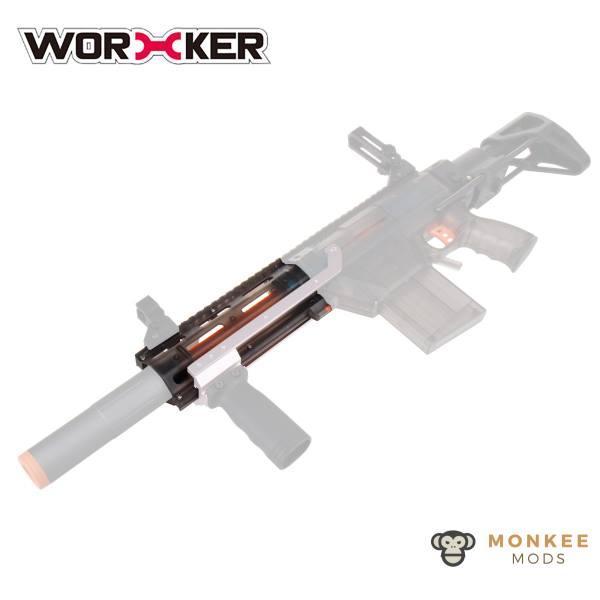
Welcome to the nerf hobby — the fast-growing world of foam-dart blasters, backyard skirmishes and hands-on modding. If you have wondered how to get into nerf but never knew where to begin, this beginner-friendly pillar walks you through gear, safety, rules and community, so you can start playing confidently and safely in Malaysia and across SEA without spending a fortune first.
What the Nerf Hobby Actually Is
At its heart, the foam dart hobby is simple: you launch lightweight foam darts at targets or at friends during friendly games. But the hobby has grown far beyond the toy aisle. Today it spans casual family play, organised community wars, competitive formats, target and speed-shooting, collecting rare blasters, and deep technical modding where enthusiasts rebuild the internals for better performance.
People arrive from many directions. Some parents buy a blaster for their kids and get hooked themselves. Others come from airsoft or gel-blaster backgrounds and enjoy how much safer and more accessible foam is. Many simply love tinkering. Whatever brings you in, the community is welcoming, and you do not need expensive gear to start. Our companion guide, getting started with the nerf hobby in Malaysia, covers the local scene in more depth.
Why People Love It
- Low barrier to entry: a capable starter blaster costs far less than most sports or hobby setups.
- All ages and fitness levels: games scale from gentle indoor play to high-energy outdoor wars.
- Creative and technical depth: if you enjoy building things, modding offers years of learning.
- Real community: local groups run regular games, and newcomers are almost always paired with helpful veterans.
The Main Playstyles
Understanding the styles helps you buy the right first blaster. Casual play is relaxed backyard or living-room fun. Community wars are organised games with agreed rules, often at parks or indoor arenas. Competitive and speedsoft-style formats value fast, accurate shooting. Collecting and display focuses on rare or vintage blasters. You can dabble in all of them, and most hobbyists eventually do.
Choosing Your First Blaster and Loadout
Your first blaster should be forgiving, affordable and easy to feed with common darts. Resist the urge to buy the biggest, most expensive model straight away. A modest springer or a reliable flywheel blaster teaches you the fundamentals of aiming, reloading and darts without overwhelming you. For a step-by-step walkthrough, see our guide on building your first nerf loadout.
Blaster Types at a Glance
Most blasters fall into a few broad categories. Each has trade-offs in cost, complexity and performance.
| Type | How it works | Best for beginners? |
|---|---|---|
| Spring (springer) | You prime a spring by hand; each shot releases stored energy. | Excellent — simple, reliable, cheap |
| Flywheel | Spinning wheels grip and fling darts; battery powered. | Good — fast follow-up shots |
| Pump / pressure | Air pressure built by pumping propels darts. | Moderate — more to learn |
| High-end modded | Rebuilt internals, tuned motors and cages. | Later — not a first purchase |
The Rest of Your Loadout
A blaster alone is not a loadout. Round it out with the practical pieces that keep you in the game:
- Darts: buy a large pack of a consistent, quality foam dart. Cheap mismatched darts jam and fly poorly.
- Magazines or a dart holder: reloading fast keeps you competitive and fun to play with.
- A way to carry ammo: a pouch, sling bag or simple vest so you are not chasing loose darts.
- Eye protection: non-negotiable, covered in detail below.
You do not need everything at once. Start lean, play a few games, and let your preferences guide your next purchases. Keep an eye on our current specials for beginner-friendly deals that make building a first kit cheaper.
Safety First: Playing Smart in the Nerf Hobby
Foam is soft, but blasters still launch projectiles at speed, and a responsible attitude to safety is what keeps the nerf hobby welcoming for everyone. Good habits cost nothing and prevent almost every injury. Read our full nerf safety guide before your first game, and share it with anyone you bring along.
Core Safety Rules
- Never aim at unprotected eyes or faces, especially at close range.
- Treat every blaster as loaded, and keep your finger off the trigger until you intend to fire.
- Respect "blasters down" calls when someone loses eyewear, is injured, or a bystander enters the area.
- Point in a safe direction when reloading, priming or troubleshooting a jam.
- Keep young children supervised, and match blaster power to the age and setting.
The single most important habit in the hobby is simple: eye protection stays on whenever any blaster is live. No exceptions, ever.
Playing with Kids and Beginners
If you are introducing children or first-timers, dial everything back. Use lower-powered blasters, shorter ranges and clear boundaries. Explain the rules before anyone loads up, and demonstrate the "eyes on, then play" routine. A calm, well-briefed group has more fun and far fewer problems than a chaotic free-for-all.
Eye Protection: The One Piece You Never Skip
If you take only one thing from this guide, make it this: proper eye protection is mandatory every single time blasters are live. Foam is forgiving on skin but the eyes are delicate, and a stray dart or a ricochet at the wrong angle can cause real harm. Our dedicated article on eye protection for nerf explains exactly what to look for.
What Counts as Good Eyewear
- Rated safety glasses or goggles designed for impact, not fashion sunglasses.
- A secure fit that will not slip off when you move, dive or turn quickly.
- Full coverage so darts cannot sneak in from the sides or below.
- Anti-fog or ventilated lenses if you play hard outdoors in humid SEA weather.
Sealed goggles offer the most protection and are the safest default for wars and for anyone playing with younger children. Whatever you choose, it should stay on from the moment the first blaster is loaded until the last one is cleared. Make it a group norm, not a personal choice.
Understanding FPS Limits
As you meet other players, you will hear a lot about FPS, or feet per second — a measure of how fast a blaster fires its darts. FPS matters because it determines how much a hit stings and how safe a blaster is for a given setting. Community games almost always set an FPS cap, and knowing yours keeps play fair and friendly. Our explainer on FPS limits explained goes deeper.
Why Caps Exist
FPS caps exist to protect players and to level the field. A blaster shooting far above the group limit can hurt at close range and gives an unfair edge. Most organised games publish their cap in advance, and hosts may chronograph (measure) blasters at check-in. Out-of-the-box beginner blasters are usually well under common caps, so you rarely need to worry as a newcomer — but you should still ask before every event.
Typical Ranges
Different formats use different ceilings. Indoor games and events with children tend to run lower caps; outdoor games with adults and more distance sometimes allow more. The exact numbers vary by group, region and venue, so treat any figure as a starting point and always confirm the local rule rather than assuming. When you begin modding, FPS becomes something you must actively manage to stay within limits.
War Etiquette and House Rules
Every game runs on a mix of written rules and unwritten etiquette, and picking these up quickly is how you go from nervous newcomer to valued regular. Good sportsmanship matters more than winning. Our guide to nerf war etiquette and rules covers this in full, but here are the essentials.
The Unwritten Rules
- Call your hits honestly. The whole hobby depends on players owning up when they are tagged.
- Do not blind-fire around corners into spaces you cannot see.
- Ease off at point-blank range; a tap or a called "got you" is enough up close.
- Respect new and younger players — go gentle and coach rather than crush.
- Clean up your darts and help reset between rounds.
Ask Before You Play
Rules differ from group to group: how respawns work, whether melee tags count, what the FPS cap is, and which game modes are on. Arrive early, introduce yourself, and ask the host to run you through the format. Veterans genuinely enjoy welcoming newcomers, and a few honest questions mark you as someone worth playing with.
Is the Nerf Hobby Legal in Malaysia?
Do not assume a foam-dart blaster is lawful to own, carry or use in Malaysia. PDRM has publicly discussed enforcement concerning imitation weapons and items that resemble firearms, so treat this as a legal-risk question to check rather than a harmless grey area. This section is general guidance and not legal advice; laws and their enforcement change over time, and the responsibility to stay compliant is yours. Our article on whether blasters are legal in Malaysia discusses the topic in more detail.
General Principles to Follow
- Treat blasters as toys, not weapons. Do not modify them to look like real firearms, and never brandish them in public.
- Play on private property or approved venues, not in public spaces where you could alarm bystanders.
- Transport blasters discreetly, ideally in a bag rather than carried openly.
- Keep power reasonable. Extreme modifications can attract scrutiny and are unsafe regardless.
Because rules can differ by state and can be updated, verify the current position with the relevant authorities or established local community organisers before you buy heavily or run a public event. When in doubt, err on the side of caution and keep your play private, safe and low-profile.
Joining the Community
The fastest way to enjoy the hobby is to stop playing alone. A local community turns a solo pastime into a regular social event, and it is where you will learn the most, fastest. Experienced players share gear, teach modding, and run the games that make everything worthwhile.
Where to Find Other Players
- Online groups and chats: regional foam-dart communities on social platforms post game announcements and buy-and-sell listings.
- Local game days: many groups run recurring wars at parks, halls or arenas that welcome drop-in newcomers.
- Hobby shops and events: stores and meetups are natural gathering points for players of all levels.
Making a Good First Impression
Show up with working eye protection, a charged or primed blaster, and a willingness to learn. Ask about the rules, call your hits, and offer to help pack up. You do not need the best gear — a positive attitude matters far more, and it is what earns invitations back. Within a few games you will have made friends and picked up more practical knowledge than any guide can give.
Your Next Steps Into Modding
Once you have played a few games and understand the fundamentals, many hobbyists feel the pull toward modding — improving or rebuilding a blaster's internals for better range, rate of fire or reliability. Modding is where the nerf hobby becomes a genuine craft, and it can be as light or as deep as you like.
Start Small
You do not need to gut a blaster on day one. Early, low-risk upgrades teach you how blasters work without much cost or risk:
- Better darts and magazines, the cheapest upgrade with the biggest reliability payoff.
- Simple internal tidy-ups, like removing air restrictors or lubricating moving parts where appropriate.
- Battery and motor swaps on flywheel blasters, once you understand the basics and your local FPS cap.
Mod Responsibly
Two rules keep modding fun and safe. First, respect FPS limits — a hotter blaster is useless if it is banned from every game and unsafe for your friends. Second, take your time and learn from the community before attempting complex builds. Read guides, ask questions, and upgrade in small steps. Done right, modding gives the hobby years of depth long after your first war.
Bringing It All Together
Getting into the foam-dart hobby comes down to a handful of choices: pick a forgiving first blaster, always wear eye protection, know your FPS cap, play with good etiquette, stay mindful of local laws, and find a community to play with. Do those things and you will have a safe, affordable and genuinely rewarding hobby that can grow with you for years.
Starter Checklist
| Item | Why it matters | Priority |
|---|---|---|
| Beginner blaster | Forgiving, affordable, easy to learn on | Essential |
| Eye protection | Protects the one thing foam can truly hurt | Essential |
| Quality darts (bulk) | Consistent flight, fewer jams | Essential |
| Magazines / dart holder | Fast reloads keep play fun | High |
| Ammo pouch or bag | Carry and recover darts easily | Medium |
| Knowledge of local FPS cap | Keeps you safe, fair and welcome | High |
| A local group to play with | Games, mentorship and friends | High |
Take it one step at a time, stay safe, and enjoy the journey — the hobby rewards curiosity and good sportsmanship far more than it rewards spending. We will see you on the field.
Frequently Asked Questions
How much does it cost to start the nerf hobby?
You can begin for very little. A forgiving beginner blaster, a bulk pack of quality darts and a pair of rated safety glasses are enough for your first games. Buy lean, play a few times, then let your preferences guide further spending. Watching seasonal specials keeps a starter kit even more affordable.
What is the best first Nerf blaster for a beginner?
Choose something forgiving, affordable and easy to feed with common darts, such as a simple springer or a reliable flywheel blaster. Avoid the biggest or most expensive models at first. A modest blaster teaches aiming, reloading and dart handling without overwhelming you, and you can always upgrade once you know your preferred playstyle.
Do I really need eye protection to play?
Yes, always. Foam is gentle on skin but the eyes are delicate, and a stray dart or ricochet can cause real harm. Wear rated, well-fitting safety glasses or sealed goggles whenever any blaster is live, from the first load to the last clear. Make it a firm group rule with no exceptions.
What are FPS limits and why do they matter?
FPS, or feet per second, measures how fast a blaster fires darts. Community games set caps so hits stay comfortable and play is fair. Most beginner blasters fall well under common limits, but numbers vary by group, venue and region, so always confirm the local cap before each event rather than assuming.
Are foam-dart blasters legal in Malaysia?
Do not assume so. PDRM has publicly discussed enforcement concerning imitation weapons and items that resemble firearms, and the answer can depend on the exact item, its appearance, any modifications, and how it is carried or used. Avoid realistic modifications, play on private or approved venues, and transport blasters discreetly — but none of that settles the legal question. Confirm the current position for your exact blaster with PDRM or qualified Malaysian legal advice before buying, carrying or using one. This is general guidance only and not legal advice.
How do I find other players and games near me?
Start online. Regional foam-dart communities on social platforms post game announcements and buy-and-sell listings, and many groups run recurring wars that welcome newcomers. Hobby shops and meetups are also natural gathering points. Show up with eye protection, a working blaster and a willingness to learn, and you will be welcomed.
In-depth guides in this series
- Nerf Safety Guide: FPS Limits & Eye Protection
- Are Blasters Legal in Malaysia?
- Nerf FPS Limits Explained: A Practical Guide for Modders
- Eye Protection for Nerf: What to Wear and Why It Matters
- Getting Started in the Nerf Hobby in Malaysia: A Beginner's Guide
- Nerf War Etiquette & Ground Rules Every Player Should Know
- Building Your First Nerf Loadout: A Practical Beginner's Guide