
Gel Blaster Handguards & Buttstocks: Fit, Style & Function
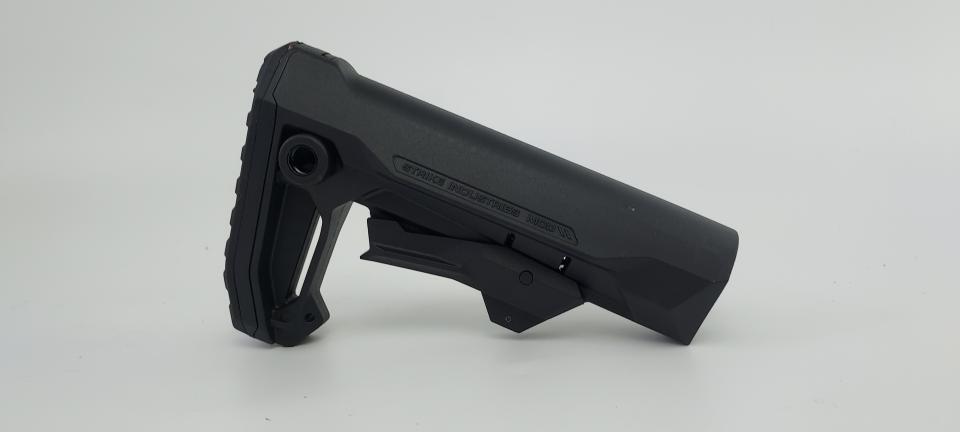
A gel blaster handguard and buttstock swap is one of the least risky upgrades you can make — neither part touches the gearbox or air path — but fit still matters. Here's what actually changes when you swap them, and what to check before you buy.
Handguards: fit before looks
Handguards clamp or thread onto the barrel nut or receiver, so the two things that matter most are the receiver/barrel-nut interface and the rail length you actually need. A handguard that's the wrong diameter or thread pitch for your platform simply won't seat properly, no matter how good it looks in photos. Beyond fit, the practical differences are:
- Rail coverage. More rail space means more room for a grip, light or bipod, but adds weight and length.
- Free-float vs. drop-in. A free-float handguard doesn't contact the barrel, which can slightly improve consistency by not transmitting grip pressure to it; drop-in designs are usually simpler to fit.
- Material. Aluminium handguards are more rigid and heavier; polymer options save weight but flex more under a tight grip.
Buttstocks: comfort, length of pull, and battery space
Buttstocks affect three things directly: how the blaster sits against your shoulder, your length of pull (the distance from trigger to shoulder pad), and — on many AEG platforms — how much room you have for a battery. Adjustable stocks let you tune length of pull for your build and body size, which matters more for comfort over a long game than most players expect.
| Stock type | Good for | Watch for |
|---|---|---|
| Fixed | Simplicity, rigidity | No length adjustment for different users |
| Adjustable (buffer tube) | Tuning length of pull, sharing a blaster between players | Buffer tube diameter must match your platform |
| PDW / compact | Close-quarters builds, lighter overall weight | Less battery space; check compatibility before buying a larger pack |
Before you buy
- Check your platform's buffer tube and barrel-nut standard rather than assuming a universal fit — this is one of the most common reasons a handguard or stock gets returned.
- If you're changing stock style, check battery clearance before you buy a new pack. A PDW-style stock in particular can restrict battery size compared to a full-length one.
- New hardware is still just hardware — a handguard or stock swap doesn't affect FPS, air seal, or anything inside the gearbox.
Browse current options under bodykit.
Frequently Asked Questions
Will a new handguard fit any gel blaster?
No. Fit depends on your platform's barrel-nut and receiver interface, so a handguard sized for one platform generally won't seat correctly on another. Check your platform's standard before buying rather than assuming a universal fit — mismatched diameter or thread pitch is the most common reason a handguard doesn't work.
Does a buttstock upgrade affect FPS?
No. Handguards and buttstocks are external hardware that don't touch the gearbox, spring, or air path, so swapping either has no effect on FPS or power. They change fit, comfort, length of pull and — depending on the stock — available battery space.
What's the difference between a fixed and adjustable buttstock?
A fixed stock is simpler and more rigid but offers no length adjustment, while an adjustable buffer-tube stock lets you tune length of pull for comfort or to share a blaster between different-sized players. Adjustable stocks require a buffer tube matching your platform's diameter to fit correctly.
Will a compact stock fit my battery?
Not always. PDW-style and other compact stocks generally have less internal space than a full-length stock, which can restrict the battery size or shape you can use. Check the stock's battery clearance against your current or planned battery before buying, especially if you're running a larger capacity pack.
Related reading
Start with the full guide: Gel Blaster Modding: The Complete Upgrade Roadmap.