
Metal Gears & Gearbox Shells for Gel Blasters: Worth Upgrading?
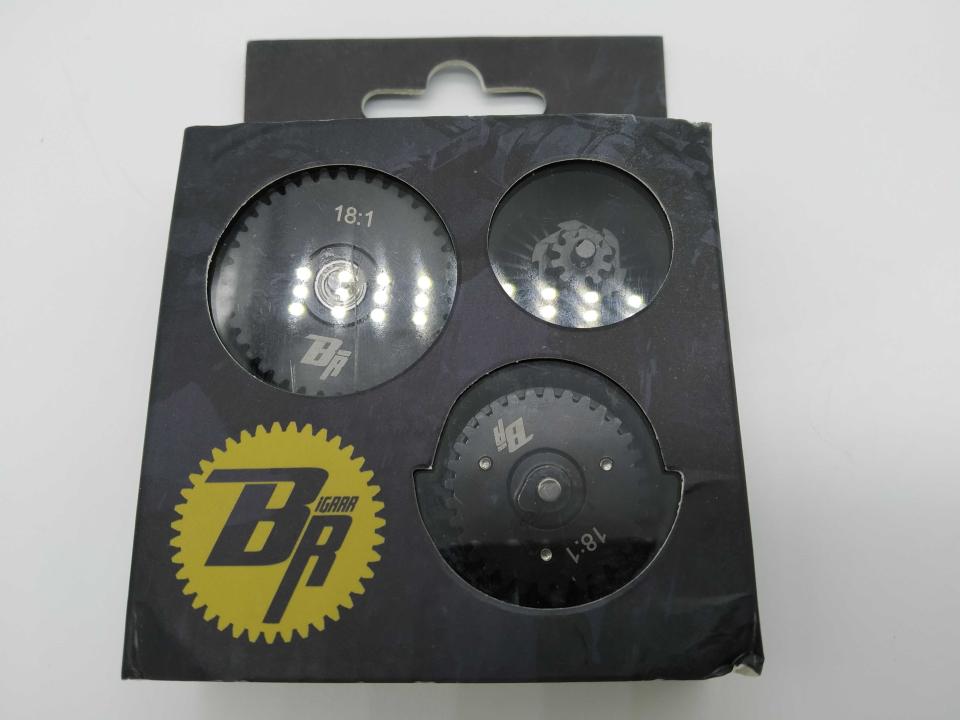
Fitting metal gears for gel blaster gearboxes is one of the most common first upgrades, and one of the most misunderstood. Metal gears don't make your blaster shoot harder or faster on their own — they let the rest of your build survive a heavier spring or higher rate of fire without stripping teeth.
What metal gears actually change
Stock gel blasters almost always ship with nylon or reinforced-nylon gears. They're fine at stock power because they're matched to the stock spring's load. The moment you fit a heavier spring, run the blaster harder, or push a high rate of fire, the load on the sector gear's teeth climbs — and nylon teeth are what strip first. Metal gears (steel or hardened alloy) raise that ceiling considerably. They don't add FPS by themselves; FPS comes from the spring, air seal and barrel length. What metal gears buy you is durability headroom to run those upgrades without the gearbox eating itself.
Full set vs. sector-only
| Option | Best for | Trade-off |
|---|---|---|
| Sector gear only | Light spring upgrades, budget builds | Bevel and spur can still strip if the load climbs further |
| Full metal gear set | Heavier springs, sustained high rate of fire | Higher cost; needs correct shimming to mesh quietly |
The sector gear takes the most direct load since it drives the piston stroke, so it's usually the first gear to strip under a heavier spring on a pushed build — if budget is tight, that's the one to upgrade first. A full set is the safer long-term choice once you're committed to a serious power or rate-of-fire upgrade.
What metal gears don't fix
- A weak motor. Metal gears under a motor that's already struggling just move the failure point elsewhere — usually to the part-nylon stock piston rack or the motor.
- Poor air seal. Gears deliver mechanical motion, not air pressure. A leaking piston head or nozzle still caps your range regardless of gear material.
- Noisy meshing. Metal-on-metal gears need proper shimming, or they'll grind and wear unevenly — see our gearbox shimming guide before closing the shell.
Fitting notes
Metal gears are heavier than nylon, which increases the load on your motor slightly — pair a full metal gear set with a motor rated for it rather than the stock unit if you're also running a heavier spring. Always shim a new gear set before your first test cycle; unshimmed metal gears are both loud and prone to premature wear. Matched sets are listed under gearbox parts.
Frequently Asked Questions
Do metal gears increase gel blaster FPS?
No, not directly. FPS is set mainly by spring weight, air seal and barrel length. Metal gears increase durability so your gearbox can handle a heavier spring or a higher rate of fire without stripping teeth — the FPS gain, if any, comes from the spring you pair with them, not the gears themselves.
Should I upgrade just the sector gear or the full set?
The sector gear takes the most direct load driving the piston, so it's the most likely to strip first and a reasonable budget-first upgrade. If you're running a meaningfully heavier spring or sustained high rate of fire, a full metal gear set is the safer choice since the bevel and spur gears can still fail under enough sustained load.
Do metal gears need shimming?
Yes, and it matters more than with stock nylon gears. Metal-on-metal meshing that isn't properly shimmed runs loud and wears unevenly, which shortens the life of the very upgrade you just paid for. Shim before your first test fire, not after you notice grinding.
Will metal gears damage my stock motor?
They can, if paired with a stock motor and a much heavier spring at the same time. Metal gears are heavier than nylon, adding a small extra load, and a heavier spring adds considerably more. If you're upgrading both, consider a motor upgrade in the same pass rather than stacking load onto a stock unit.
Related reading
Start with the full guide: Gel Blaster Gearbox Upgrade Guide.