
Most Accurate Nerf Blasters: What Really Drives Precision
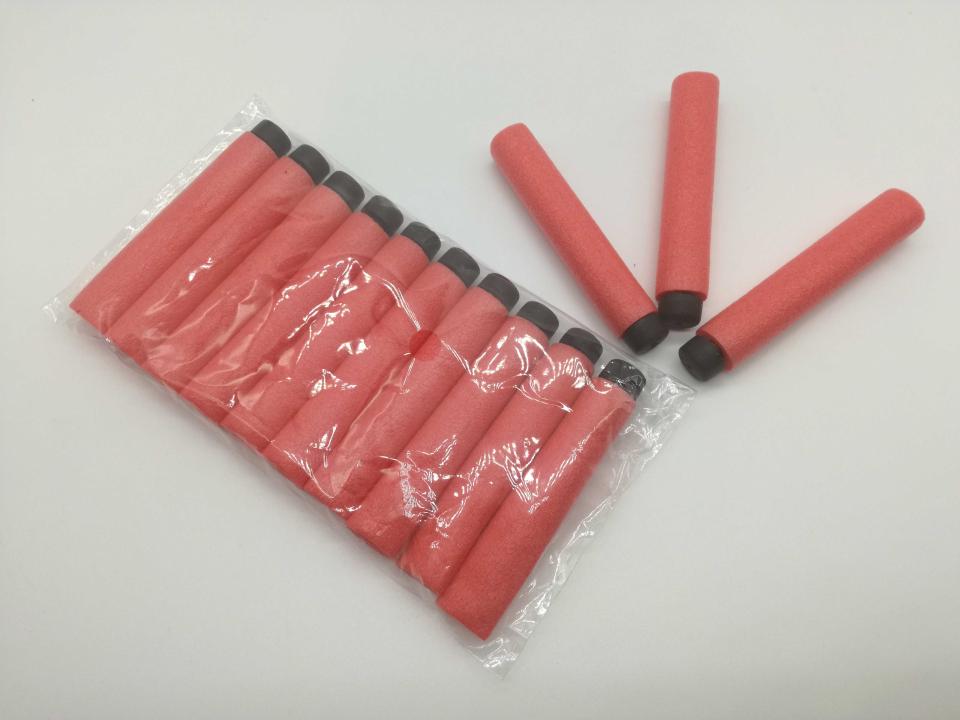
The most accurate Nerf blaster is rarely about a single model and almost always about a matched system of cage, barrel, darts and tuning. Precision comes from consistent dart flight, not raw power. This guide explains what actually drives accuracy so Malaysian and SEA modders can build a blaster that groups tightly and shoots repeatably.
What makes the most accurate Nerf blaster
Accuracy means every dart follows nearly the same path. To achieve that, a most accurate Nerf blaster setup controls the variables that cause darts to scatter, including inconsistent grip, wobble and worn foam. Both flywheel and spring platforms can be highly accurate when tuned; the mechanism matters less than the consistency of each shot.
The accuracy chain
- Cage or barrel: Straight, balanced and matched to dart size.
- Darts: Fresh, uniform and undamaged.
- Feeding: Reliable so each dart loads the same way.
- Tuning: Balanced wheels or a smooth spring stroke.
Flywheel vs spring for accuracy
Both platforms can be precise. Flywheel blasters grip the dart between spinning wheels, so cage quality and wheel balance dominate accuracy. Spring blasters push air behind the dart, so barrel fit and a clean seal matter most. Neither is inherently more accurate; the tuned example usually wins.
Where scatter comes from
Understanding the causes of scatter helps you fix it. Common culprits include uneven wheel grip, a dart that enters the cage crooked, a loose or oversized barrel, and inconsistent dart weight. Each one nudges the dart onto a slightly different path. The most accurate builds systematically remove these small inconsistencies rather than trying to overpower them, because more velocity simply sends a wobbling dart off course faster.
| Factor | Flywheel | Spring |
|---|---|---|
| Key accuracy driver | Cage and wheel balance | Barrel fit and seal |
| Ammo sensitivity | High | High |
| Tuning focus | Wheel spacing, motors | Barrel length, air seal |
| Repeatability | Excellent when balanced | Excellent when sealed |
Why darts matter most
Even the best hardware cannot fix bad ammo. Worn, split or waterlogged darts fly unpredictably, so consistent darts are the foundation of accuracy. Many precision-focused players run short darts in matched cages because the shorter body resists mid-flight wobble, while others get excellent results with quality full-length darts.
- Use one dart type per blaster for consistency.
- Retire damaged foam promptly.
- Store darts dry to keep weight uniform.
Match ammo to hardware
The single biggest accuracy mistake is mismatched darts and barrels. Confirm your darts suit your cage or barrel bore before chasing other upgrades. To plan a matched precision build, browse a curated range of blasters and accuracy parts.
Accuracy upgrades that work
If you want to improve grouping, prioritise the parts that control dart flight. Chasing raw velocity without addressing consistency often makes accuracy worse, not better.
High-impact upgrades
- Quality cage: A balanced, precise flywheel cage for repeatable grip.
- Matched barrel: Correct bore and length for your darts.
- Balanced wheels: Reduce vibration that throws darts off line.
- Accuracy darts: Uniform, well-made foam.
Dedicated accuracy components, such as precision barrels and cages, are designed specifically to tighten grouping. Pairing them with good darts often delivers a bigger real-world improvement than any single power upgrade.
Upgrade in the right order
Sequence matters as much as the parts themselves. Start by standardising on one quality dart, since that alone often reveals how much of your scatter was ammo related. Next address the barrel or cage so darts leave straight. Only then chase wheel balance, motors and fine tuning. Working in this order means each change builds on a solid foundation instead of masking a problem you have not yet solved.
Measuring your progress
To improve accuracy you need a way to see it. Set up a consistent test: same distance, same target, same number of darts, and record how tightly they group after each change. Without this baseline it is easy to imagine improvements that are not real or to miss a genuine regression. A simple notebook or phone note tracking your setup and results turns tuning from guesswork into steady, measurable progress over time.
Tuning and technique
Hardware sets the ceiling, but technique realises it. Keep flywheels clean, ensure smooth feeding, and let motors reach full speed before firing. On spring blasters, maintain a good air seal and a straight barrel. Consistent shooting form, including a stable grip and steady trigger pull, also tightens groups.
Accuracy principle: control every variable you can. The more identical each shot is, the tighter your darts will group downrange.
Environment plays a part too. Wind, humidity and distance all affect how a dart flies, so test your accuracy at the ranges you actually play rather than only up close. A setup that groups perfectly at three metres may open up at ten, and knowing that helps you set realistic expectations and choose your engagement distances wisely during a game.
Safety and fair play
Precision setups can shoot hard, so always wear eye protection and keep velocity within your local field limits. Accuracy is about placing darts reliably, not maximising power, and responsible tuning keeps the game fun and safe for everyone.
Building your own accurate setup
Rather than hunting for one magic model, build accuracy step by step. Start with a solid platform, standardise on quality darts, add a matched cage or barrel, then refine feeding and balance. This staged path is cost-effective and teaches you how each change affects grouping. Watch for bundle offers and check current deals on accuracy parts and darts to build smartly.
In summary, the most accurate Nerf blaster is a tuned system, not a lucky purchase. Focus on matched cages or barrels, consistent darts, reliable feeding and steady technique. Get those fundamentals right, respect safe limits, and your blaster will reward you with tight, repeatable grouping shot after shot.
Frequently Asked Questions
What makes a Nerf blaster accurate?
Accuracy comes from consistency, not raw power. A straight, matched cage or barrel, fresh uniform darts, reliable feeding and balanced internals all help each dart follow the same path. The most accurate setups control these variables together. A cheap blaster with good darts and a matched barrel can outshoot an expensive one that is poorly tuned.
Are flywheel or spring blasters more accurate?
Neither is inherently more accurate; the well-tuned example wins. Flywheel accuracy depends mainly on cage quality and wheel balance, while spring accuracy depends on barrel fit and a clean air seal. Both platforms can group tightly when matched to good darts and maintained properly. Choose based on play style, then tune the accuracy chain carefully.
Do accuracy darts really improve grouping?
Yes, significantly. Even the best hardware cannot fix worn, split or waterlogged foam, which flies unpredictably. Uniform, undamaged darts matched to your cage or barrel are the foundation of tight grouping. Standardise on one quality dart type per blaster, store them dry, and retire damaged foam early to keep flight consistent shot after shot.
What upgrade improves accuracy the most?
Prioritise parts that control dart flight: a balanced, precise cage or a barrel matched to your dart bore, paired with quality darts. These usually deliver bigger real-world grouping gains than raw velocity upgrades. In fact, chasing power without addressing consistency often worsens accuracy. Fix ammo and dart-to-barrel matching first, then refine wheel balance and feeding.
Related reading
Start with the full guide: Best Nerf Blasters: A Malaysian Buyer's Guide by Use-Case.