
The Complete Nerf Blaster Buying Guide for Malaysia
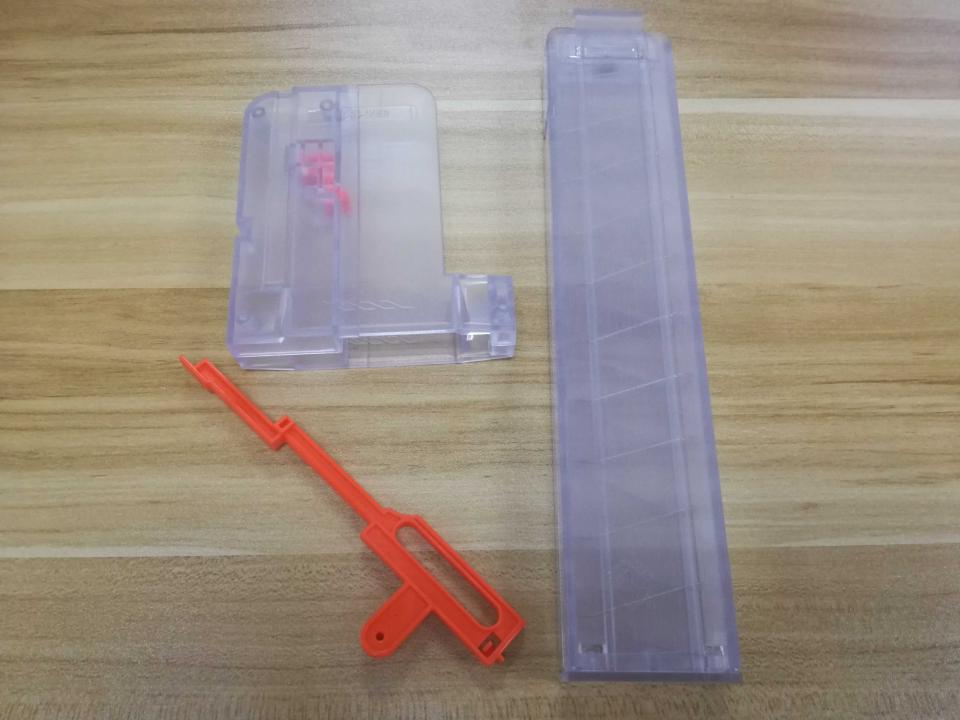
Welcome to our Nerf blaster buying guide, written for Malaysian and Southeast Asian foam-dart hobbyists who want to spend wisely. Whether this is your first blaster or your fifteenth, this guide walks you through types, power, budget and playstyle so you can confidently decide how to choose a Nerf blaster that fits you.
Why You Need a Nerf Blaster Buying Guide
Walk into any toy aisle or scroll an online store and you will see dozens of blasters that all look exciting. The problem is that price and packaging tell you very little about how a blaster actually performs on the field. A good Nerf blaster buying guide cuts through the marketing so you understand what you are really paying for: firing mechanism, range, rate of fire, capacity and how easy the blaster is to upgrade later.
Making a smart first choice matters because foam-dart blasting is a hobby you grow into. Beginners often buy on impulse, get frustrated by weak performance, and either quit or overspend correcting the mistake. If you are brand new, start with our companion piece on the best Nerf blaster for beginners and then come back here to see the full picture.
What this guide covers
- The main blaster types and how each one fires
- The performance factors that actually matter
- How to match a blaster to your playstyle and local play scene
- Realistic budget tiers and what to expect at each
- Safety, power limits and buying considerations specific to Malaysia
Understanding Nerf Blaster Types
Almost every foam-dart blaster falls into one of a few mechanical families. Knowing these is the single most useful thing you can learn, because the firing mechanism determines range, noise, reliability and how the blaster feels to shoot. For a deeper breakdown, our guide on Nerf blaster types explained goes further, but here are the essentials.
Springers (spring-powered)
A springer stores energy in a spring that you prime manually with a slide, pump or bolt. Pull the trigger and the spring pushes a plunger that launches the dart. Springers are simple, quiet, battery-free and very reliable, which makes them a favourite for both beginners and precision players. The trade-off is a slower rate of fire because you re-prime after every shot, though a pump-action foregrip makes each prime faster.
Flywheel blasters (electric)
A flywheel blaster uses two spinning wheels, driven by motors, to grip and fling the dart forward. Because there is no manual priming, flywheelers can lay down high volumes of fire and pair naturally with full-auto pushers. They need batteries and are louder, but they excel at suppressing fire and fast-paced games. Learn exactly how they work in what is a flywheel blaster.
Air / pump blasters
Some blasters store compressed air in a tank or plunger and release it in one burst. These can be very powerful and consistent, but are less common in mainstream ranges and often live in the enthusiast space.
Choosing between electric and spring-powered systems is one of the biggest early decisions, and it deserves its own comparison; see electric vs springer Nerf blasters for a full head-to-head.
| Type | Rate of fire | Reliability | Best for |
|---|---|---|---|
| Springer | Low to medium | Very high | Precision, beginners, quiet play |
| Flywheel | High | High (needs batteries) | Fast games, suppressing fire |
| Air / pump | Low | High | Power and consistency |
How to Choose a Nerf Blaster: Key Factors
Once you understand the mechanisms, deciding which Nerf blaster to buy comes down to weighing a handful of performance factors against how you actually play. No single blaster wins on every metric, so the goal is the best balance for you.
Range and power
Range determines how far you can reliably tag an opponent. Stock blasters vary widely, and manufacturers quote figures measured in ideal conditions, so treat numbers as rough ranges rather than guarantees. More power is not automatically better: higher-output blasters demand more space and stricter safety habits, which we cover below.
Rate of fire and capacity
Rate of fire is how quickly you can put darts downrange, and capacity is how many darts you hold before reloading. Flywheelers and blasters with large drums or clips favour aggressive players, while low-capacity springers reward patience and accuracy.
Ergonomics and size
A blaster you cannot hold comfortably is a blaster you will not enjoy. Consider weight, grip size and whether you can reach the priming mechanism easily. Younger or smaller players are often better served by compact, lightweight models.
Ammo type and availability
Blasters are designed around a dart format such as full-length (Elite-style) darts or short/half-length darts; "short dart" and "half-length dart" are interchangeable community terms for the same ~36mm format. Before buying, check that replacement darts are easy to find locally, because ammo you cannot restock is a dead end.
Upgrade potential
If you think you will get serious, factor in how moddable a platform is. Some blasters have huge aftermarket support; others are effectively sealed. We will return to modding shortly.
Rule of thumb: pick the blaster that fits the way you already like to play, not the one with the biggest number on the box.
Matching a Blaster to Your Playstyle
Your ideal blaster depends heavily on how and where you play. Deciding how to choose your first Nerf blaster is easier once you know your style, and our dedicated walkthrough on how to choose your first Nerf blaster pairs well with this section.
The all-rounder
If you want one blaster that does most things reasonably well, look for a mid-range springer or flywheeler with decent capacity and comfortable handling. All-rounders are ideal for casual backyard games and mixed groups.
The aggressor
Players who like to push and overwhelm opponents want high rate of fire and capacity. Full-auto flywheelers and high-capacity blasters suit this style, at the cost of battery dependence and more ammo consumption.
The sharpshooter
If you prefer picking targets from range, a single-fire springer with good accuracy is your friend. You trade volume for precision and reliability, and you rarely run dry at the wrong moment.
The organised-war player
Structured games and larger events reward loadouts built around a role. If you attend or plan to attend events, read our notes on the best Nerf blasters for Nerf wars before committing to a platform.
Some newcomers also weigh foam-dart blasters against other hobbies entirely. If you are still deciding on the category itself, our comparison of Nerf vs gel blaster lays out the practical and legal differences for the region.
Budget Tiers: Which Nerf Blaster to Buy
Budget is where this Nerf blaster buying guide becomes concrete. Rather than quoting exact prices, which shift with promotions and imports, think in tiers of value and what each realistically delivers. If money is tight, our roundup of the best budget Nerf blasters highlights strong performers that punch above their price.
| Tier | Typical buyer | What you get |
|---|---|---|
| Entry | First-timers, kids | Simple springers, low capacity, easy to use |
| Mid-range | Regular casual players | Better range, more capacity, flywheel options |
| Enthusiast | Committed hobbyists | Premium platforms, strong mod support |
How to spend at each tier
- Entry: buy a proven, reliable blaster and plenty of darts rather than a flashy underperformer.
- Mid-range: prioritise a platform with good aftermarket support so you can upgrade instead of replace.
- Enthusiast: invest in fewer, higher-quality blasters and consider internal upgrades over buying yet another stock model.
Keep an eye on rotating deals and bundles too; our current specials are a good place to stretch a budget further, especially if you are buying darts and accessories at the same time.
Power, Safety and Local Considerations in Malaysia
Buying in Malaysia and the wider SEA region adds a few practical layers on top of the general advice. A responsible Nerf blaster buying guide has to address safety and local realities, not just specs. Our Malaysia-specific companion, the Nerf blaster buying guide Malaysia edition, expands on availability, shipping and community.
Safety first, always
- Always wear eye protection, and require it of everyone in your game.
- Never modify a blaster beyond what a safe game and your local group allow.
- Store blasters responsibly and treat them as toys, not weapons, in public.
- Supervise younger players and match blaster power to their age and setting.
Understand power limits
Higher-powered and heavily modded blasters can exceed the output that indoor arenas and casual groups permit. Many organised venues cap muzzle velocity for safety, so before you chase raw power, confirm what your local scene allows. A blaster you cannot use at your regular game is money poorly spent.
Availability and support
Choose platforms and dart formats that are easy to restock locally. Buying from a shop that understands the regional hobby means better after-sales support, spare parts and honest advice than a generic marketplace listing.
To Mod or Not to Mod
Modding, upgrading a blaster's internals or externals, is a huge part of the hobby, but it is not mandatory. Many players are perfectly happy running stock blasters for years. If you are curious whether it pays off, our honest take on whether Nerf modding is worth it weighs cost, effort and results.
When modding makes sense
- You have outgrown a stock blaster's range or rate of fire.
- You enjoy tinkering and learning how blasters work.
- You play in a group where upgraded performance is welcome and safe.
When to stay stock
- You are new and still learning the basics of play.
- Your local venue enforces strict power limits.
- You prefer reliability and simplicity over squeezing out extra performance.
If you do plan to mod eventually, that intention should shape your purchase now: pick a well-supported platform so parts and guides are easy to find later.
Your Nerf Blaster Buying Checklist
Before you check out, run through this quick checklist. It distils everything above into a decision you can make with confidence.
- Playstyle: are you an all-rounder, aggressor or sharpshooter?
- Type: springer for reliability and precision, flywheel for volume.
- Budget tier: entry, mid-range or enthusiast, and spend accordingly.
- Ammo: is the dart format easy to restock where you live?
- Safety: does the power suit your venue and players?
- Upgrade path: will this platform grow with you if you get serious?
Putting it all together
The best blaster is the one you will actually enjoy using in the games you actually play. Start honest about your budget and playstyle, favour reliable and well-supported platforms, and buy plenty of darts and eye protection alongside the blaster itself. Do that and your first, or next, purchase will feel like an upgrade rather than a lesson.
Foam-dart blasting rewards curiosity. Use this guide as your foundation, lean on the linked deep-dives when you want detail on a specific topic, and you will build a collection that suits how you play rather than how a box looked on a shelf. Happy blasting.
Frequently Asked Questions
How do I choose my first Nerf blaster?
Start with your playstyle and budget, not the biggest number on the box. Beginners are usually best served by a reliable mid-range springer with comfortable handling and easy-to-find darts. Pick a well-supported platform so you can upgrade later, and always budget for spare darts and eye protection alongside the blaster.
Which is better, a springer or a flywheel blaster?
Neither is strictly better; they suit different styles. Springers are quiet, battery-free and very reliable, favouring precision and beginners. Flywheel blasters need batteries and are louder but deliver high rates of fire for fast, aggressive games. Choose based on whether you value accuracy and simplicity or volume and speed on the field.
How much should I spend on a Nerf blaster?
Think in tiers rather than exact prices. Entry blasters suit first-timers and kids, mid-range models add range and capacity for regular players, and enthusiast platforms reward committed hobbyists. Spend enough to get a reliable, well-supported blaster, and put remaining budget toward darts and eye protection rather than flashy underperformers.
Are more powerful Nerf blasters always better?
No. Higher output needs more space, stricter safety habits, and can exceed the limits many indoor arenas and casual groups allow for safety. A blaster you cannot legally or safely use at your regular game is wasted money. Confirm your venue's power rules before chasing raw range or muzzle velocity.
Do I need to mod my Nerf blaster?
Not at all. Many players run stock blasters happily for years. Modding makes sense once you outgrow a blaster's range or rate of fire, enjoy tinkering, and play where upgrades are welcome and safe. If you might mod later, buy a well-supported platform now so parts and guides are easy to find.
In-depth guides in this series
- Best Nerf Blasters for Beginners (2026 Guide)
- Nerf vs Gel Blaster: Which Should You Buy?
- How to Choose Your First Nerf Blaster
- Nerf Blaster Buying Guide for Malaysia
- Electric vs Springer Nerf Blasters
- What Is a Flywheel Blaster? A Beginner's Guide
- Best Budget Nerf Blasters for New Modders
- Nerf Blaster Types Explained: A Full Guide
- Is Nerf Modding Worth It? Costs and Benefits
- Best Nerf Blasters for Nerf Wars & HvZ